How to Help Your Child With Anger Issues

Children, like adults, can experience anger for a multitude of reasons. Let’s explore the reasons behind childhood anger, discuss common triggers and provide practical anger management techniques to help your child navigate their emotions more effectively.
Biological factors
Genetics and brain chemistry can play significant roles in how children process and express emotions. Some children may have a natural predisposition to stronger emotional responses due to inherited traits. This means that even if they live in a nurturing environment, their brain’s wiring might make them more prone to emotional outbursts.
Hormonal changes, especially during puberty, can exacerbate emotional responses. Recognizing these biological underpinnings allows parents to approach anger issues with empathy and awareness. It’s important to remember that biology is not destiny; with the right strategies, children can learn to manage their emotions effectively.
Environmental influences
A child’s environment significantly impacts their emotional well-being. Exposure to stress, violence or lack of emotional support can contribute to anger issues. It’s crucial to ensure a nurturing and supportive home environment. Children who feel unsafe or neglected may develop anger as a defense mechanism.
Additionally, witnessing aggressive behaviors in their environment, such as in school or media, can influence a child’s understanding of conflict resolution. Parents should strive to create a stable and positive environment, emphasizing empathy and communication. Engaging children in discussions about their environment can help them articulate their feelings and reduce anger.
Psychological reasons
Children may experience anger due to underlying psychological issues such as anxiety, depression or trauma. These conditions can make it harder for them to manage their emotions effectively. For instance, anxiety might manifest as irritability, where a child becomes easily frustrated by small challenges.
Traumatic experiences, even if not immediately apparent, can leave lasting impacts on a child’s emotional health. Encouraging open conversations and providing a safe space for expression can help children process these complex feelings. Professional support may be needed to address these deeper psychological challenges comprehensively.
Developmental stages
At certain developmental stages, children may struggle with anger as they navigate new experiences and emotions. For example, toddlers often express frustration through tantrums due to their limited communication skills. As children grow, they encounter more complex social dynamics that can lead to misunderstandings and frustration.
During adolescence, identity formation and peer pressure can trigger emotional upheavals, resulting in anger. Understanding these developmental milestones can help parents anticipate potential challenges and prepare appropriate responses. Encouraging age-appropriate self-expression and emotional literacy is crucial in navigating these stages.
Social influences
Peer interactions and societal expectations can also play a significant role in a child’s emotional development. Children who experience bullying or social exclusion may develop anger as a response to feeling powerless. It’s vital to foster inclusive environments both at home and in schools where children feel valued and understood.
Moreover, societal norms around gender and behavior can influence how children express anger. Boys, for instance, might feel pressured to display aggression, while girls might suppress their anger due to societal expectations. Encouraging children to express their emotions freely, regardless of societal norms, can promote healthier emotional development.
Identifying the signs of anger issues in children is the first step toward addressing them effectively.
Common signs of anger issues
- Frequent outbursts or tantrums
- Aggression toward others or self
- Difficulty calming down
- Defiance or disobedience
- Expressing anger through destructive behavior
Understanding these signs can help parents differentiate between normal developmental behavior and potential anger issues. For instance, while a tantrum might be typical for a toddler, frequent aggressive outbursts in older children may require further attention. Awareness of these signs allows parents to intervene early and seek appropriate support.
Additionally, observing patterns in these behaviors, such as specific triggers or times of day, can provide valuable insights into underlying causes. Keeping a behavior journal can help track these patterns, aiding in discussions with professionals if needed.
Differentiating normal anger from a problem
While it’s normal for children to exhibit anger occasionally, persistent and intense episodes may indicate a problem. If your child’s anger affects their daily life or relationships, it’s time to seek help.
For example, if a child’s anger leads to social withdrawal or academic decline, it may be a sign of deeper issues. Parents should consider the frequency, intensity and duration of anger episodes when evaluating whether professional intervention is necessary. Early detection and intervention can prevent more severe emotional or behavioral problems in the future.
Importance of early intervention
Addressing anger issues early can prevent long-term emotional and social difficulties. Children who struggle with unmanaged anger may face challenges in forming healthy relationships or succeeding academically. Early intervention can provide children with the tools they need to manage their emotions constructively.
Engaging with teachers, counselors and mental health professionals can create a support network for the child. This collaborative approach helps ensure that children receive consistent messages and support across different environments, promoting healthier emotional development.
Parent and caregiver involvement
Parental involvement is crucial in managing childhood anger issues. Parents and caregivers serve as role models, and their reactions to anger can significantly influence a child’s behavior. Encouraging open communication and demonstrating empathy can create a supportive environment for children to express their emotions.
Moreover, caregivers can benefit from educating themselves about anger management techniques and child psychology. This knowledge empowers them to respond effectively to anger episodes and provides a foundation for helping their child navigate emotional challenges.

Anger Management for Kids
Anger management techniques can empower children to understand and control their emotions. Here are some effective strategies to consider.
Teaching emotional awareness
Helping your child recognize and name their emotions is vital. Encourage them to express how they feel verbally or through creative outlets like drawing or storytelling. This practice fosters emotional literacy and helps children articulate their feelings before they escalate into anger.
Incorporating emotional vocabulary into daily conversations can enhance a child’s ability to recognize and express their emotions. Role-playing different scenarios can also be an effective way to teach children how to manage emotions in various situations. Parents should praise efforts to express emotions appropriately, reinforcing positive behavior.
Developing coping strategies
Teach your child healthy ways to cope with anger. Deep breathing exercises, physical activities or counting to ten can help them calm down during intense moments. These strategies provide children with practical tools they can use independently to manage their emotions.
Encouraging regular physical activity can also serve as an outlet for pent-up energy and frustration, promoting overall well-being. Additionally, parents can introduce mindfulness practices, such as meditation or yoga, to help children develop a sense of calm and focus.
Practicing these techniques together can strengthen the parent-child bond and create a supportive environment for emotional growth.
Setting boundaries and consistency
Establishing clear rules and consequences for aggressive behavior can help your child understand acceptable ways to express anger. Consistency in enforcing these rules is key. Clear expectations provide children with a sense of security, knowing the boundaries within which they can express their emotions.
Parents should communicate these rules calmly and clearly, ensuring the child understands the reasons behind them. Consistency in enforcement builds trust and helps children internalize appropriate behaviors. Involving children in setting these boundaries can also give them a sense of ownership and responsibility over their actions.
Encouraging problem-solving skills
Guide your child in finding solutions to situations that trigger anger. Encourage them to think about alternative responses and outcomes. Problem-solving skills empower children to address challenges constructively rather than reacting with anger.
Parents can facilitate this by discussing hypothetical scenarios and brainstorming potential solutions with their child. Encouraging reflective thinking helps children evaluate the consequences of their actions and consider more effective responses. Over time, this practice fosters a sense of autonomy and confidence in managing emotions.
Modeling appropriate behavior
Children learn by observing adults. Demonstrate healthy ways of dealing with anger by staying calm and addressing conflicts constructively. Modeling appropriate behavior provides children with real-life examples of managing emotions effectively.
Parents should be mindful of their reactions to stress and anger, as children often mimic adult behaviors. Practicing self-regulation and open communication can set a positive example for children to follow. Additionally, acknowledging mistakes and discussing them openly with your child teaches them that learning from experiences is a natural part of emotional growth.
Building emotional resilience
Emotional resilience refers to the ability to adapt to stressful situations and cope with life’s challenges. Teaching children resilience can help them manage anger more effectively. Encourage your child to view setbacks as opportunities for growth rather than failures.
Building resilience involves fostering a growth mindset, where children learn to embrace challenges and persist despite difficulties. Praise effort and perseverance, highlighting the importance of learning from mistakes. Providing opportunities for independence and problem-solving can also strengthen a child’s emotional resilience over time.
Professional Help and Support
If your child’s anger issues persist despite your efforts, it may be beneficial to seek professional help.
When to seek professional help
Consider consulting a mental health professional if:
- Your child’s anger is out of control and impacts their daily life.
- There is a risk of harm to themselves or others.
- You feel overwhelmed and unsure how to help them.
Mental health professionals can provide a comprehensive assessment and develop a tailored intervention plan. Seeking help is a proactive step that demonstrates commitment to your child’s well-being.
Types of therapy for anger issues
Several therapeutic approaches can be effective in managing childhood anger:
- Cognitive Behavioral Therapy (CBT): Helps children identify and change negative thought patterns.
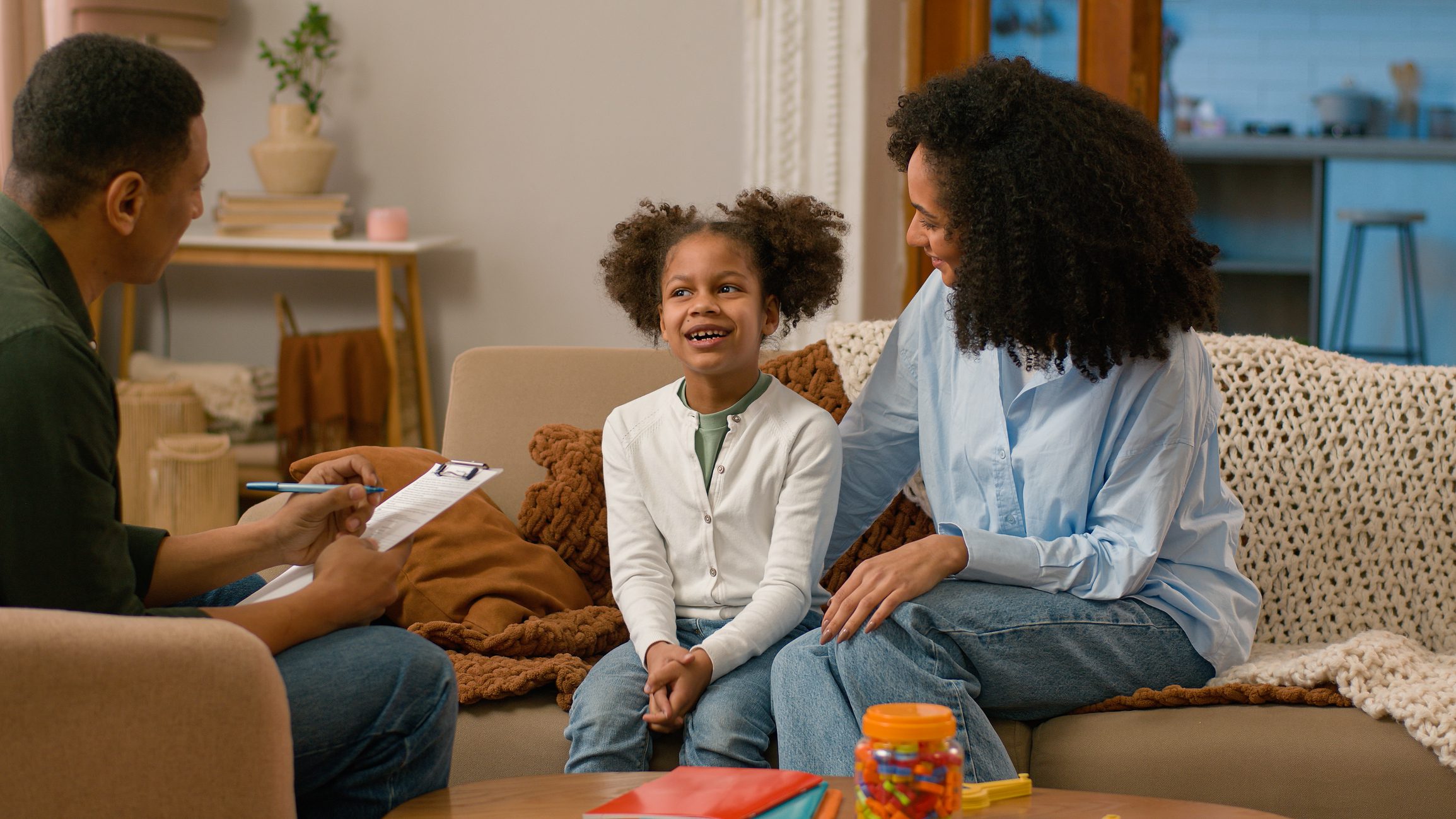
- Play Therapy: Uses play to help children express and understand their emotions.
- Family Therapy: Involves family members in the therapeutic process to improve communication and relationships.
Understanding the different therapeutic options can help parents make informed decisions about the appropriate approach for their child. Collaborating with professionals allows for a holistic approach to treatment, addressing both individual and family dynamics. Therapy can provide children with a space to explore their emotions and develop healthier coping mechanisms.
Support groups and resources
Support groups for parents can provide a sense of community and shared experiences. Online resources and books on child psychology can also offer valuable insights and tips. Connecting with other parents facing similar challenges can provide encouragement and practical advice.
Support groups offer a platform for sharing experiences and learning from others’ successes and setbacks. Additionally, exploring educational resources can equip parents with strategies to implement at home. Engaging with a community of support can alleviate feelings of isolation and empower parents to navigate their child’s emotional challenges with confidence.
Collaborating with educators
Working closely with teachers and school counselors can provide additional support for your child. Educators can offer insights into your child’s behavior in the classroom and collaborate on strategies to address anger issues. Open communication between parents and educators ensures consistency in approaches across different environments.
Regular meetings with teachers can help track progress and adapt strategies as needed. Schools may also provide resources or programs focused on emotional and social development. Collaborating with educators creates a unified support system for the child, promoting healthier emotional regulation.
Help Is Here
Understanding and addressing anger issues in children requires patience, empathy and a proactive approach. By exploring the underlying causes and implementing effective anger management techniques, you can help your child develop healthier emotional responses and improve their overall well-being.
West Oaks Hospital offers help for children through inpatient and outpatient programs. Learn more by giving us a call at 713-778-5250.
If you believe your child is experiencing a mental health crisis, CALL 988 or seek the nearest emergency room.
For physical health emergencies, CALL 911 or get to the nearest emergency room.