Benefits of Yoga for Anxiety
Whether it’s the pressure of meeting deadlines, personal responsibilities or unexpected life changes, anxiety can manifest in various ways and affect one’s overall well-being. While there are numerous treatment options available, yoga has emerged as a compelling method to help manage and alleviate anxiety symptoms.
What Is Anxiety?
Anxiety is characterized by feelings of worry, nervousness or fear that are strong enough to interfere with one’s daily activities. It can present itself through various physical symptoms, such as increased heart rate, sweating, trembling, and difficulty concentrating. These symptoms can be overwhelming, but understanding them is the first step toward managing anxiety effectively.
The role of an anxiety treatment center
When anxiety becomes debilitating, it may be necessary to seek professional help from an anxiety treatment center. These centers offer comprehensive treatment plans that may include therapy, medication and holistic approaches such as yoga. They aim to provide individuals with the tools they need to manage their anxiety and improve their quality of life.
Yoga as a Complementary Treatment for Anxiety
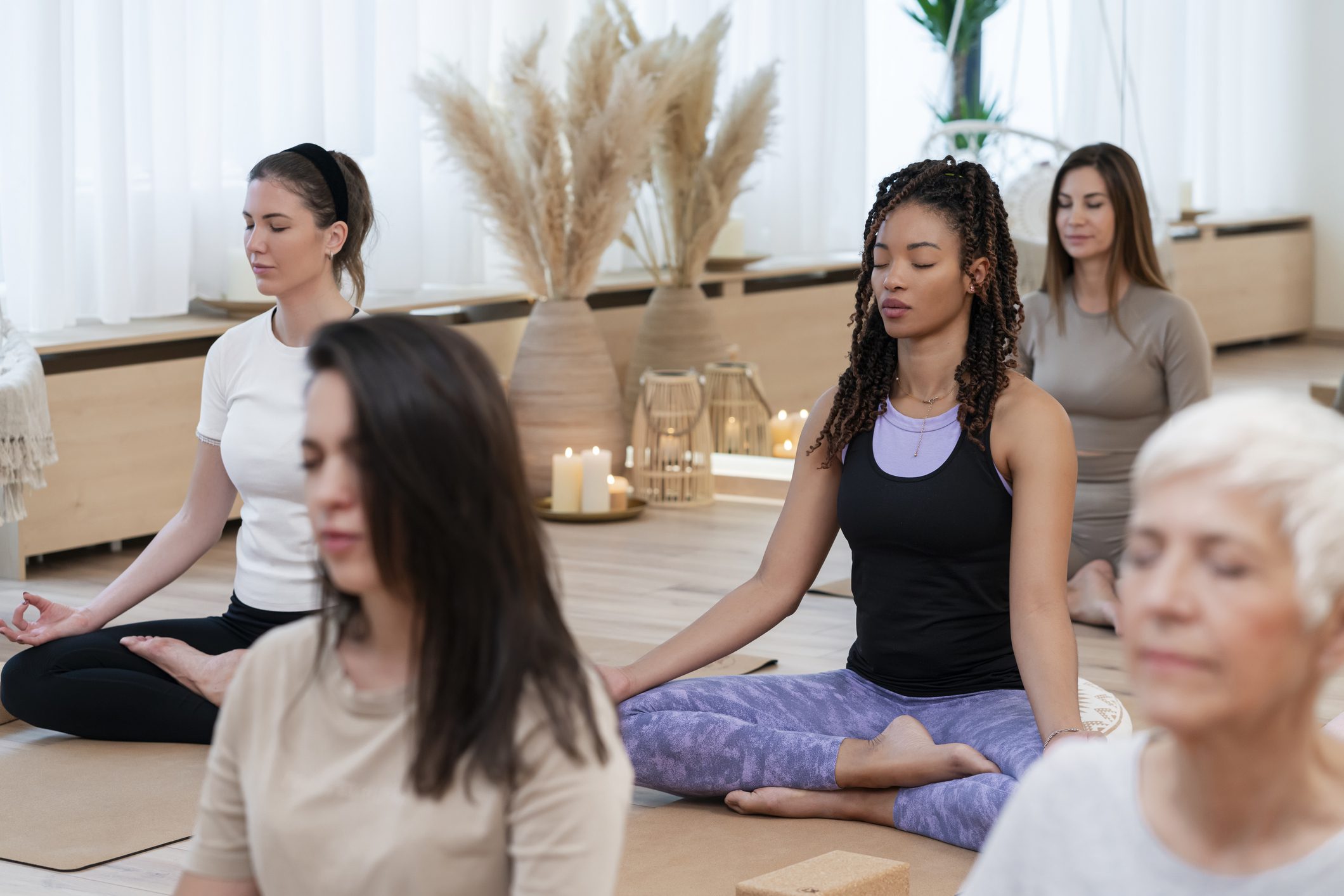
Yoga is a mind-body practice that combines physical postures, breathing exercises and meditation. It has been practiced for thousands of years and offers numerous benefits for both physical and mental health.
How does yoga help with stress and anxiety?
Yoga helps reduce stress and anxiety by promoting relaxation and mindfulness. Here’s how it works:
- Mindfulness and Focus: Yoga encourages mindfulness, which involves paying attention to the present moment without judgment. This can help individuals break the cycle of anxious thoughts and focus on the here and now.
- Breathing Techniques: Pranayama, or controlled breathing, is a core component of yoga. Deep, rhythmic breathing helps activate the parasympathetic nervous system, which promotes a state of calmness and relaxation.
- Physical Relaxation: The physical postures in yoga, known as asanas, help release tension and improve flexibility. This physical relaxation can lead to a reduction in anxiety symptoms.
- Meditation and Visualization: Yoga often includes meditation and visualization techniques that can help quiet the mind and reduce the mental clutter that contributes to anxiety.
Practical Tips for Incorporating Yoga Into Your Routine
If you’re new to yoga or considering it as a tool to manage anxiety, here are some practical tips to get started:
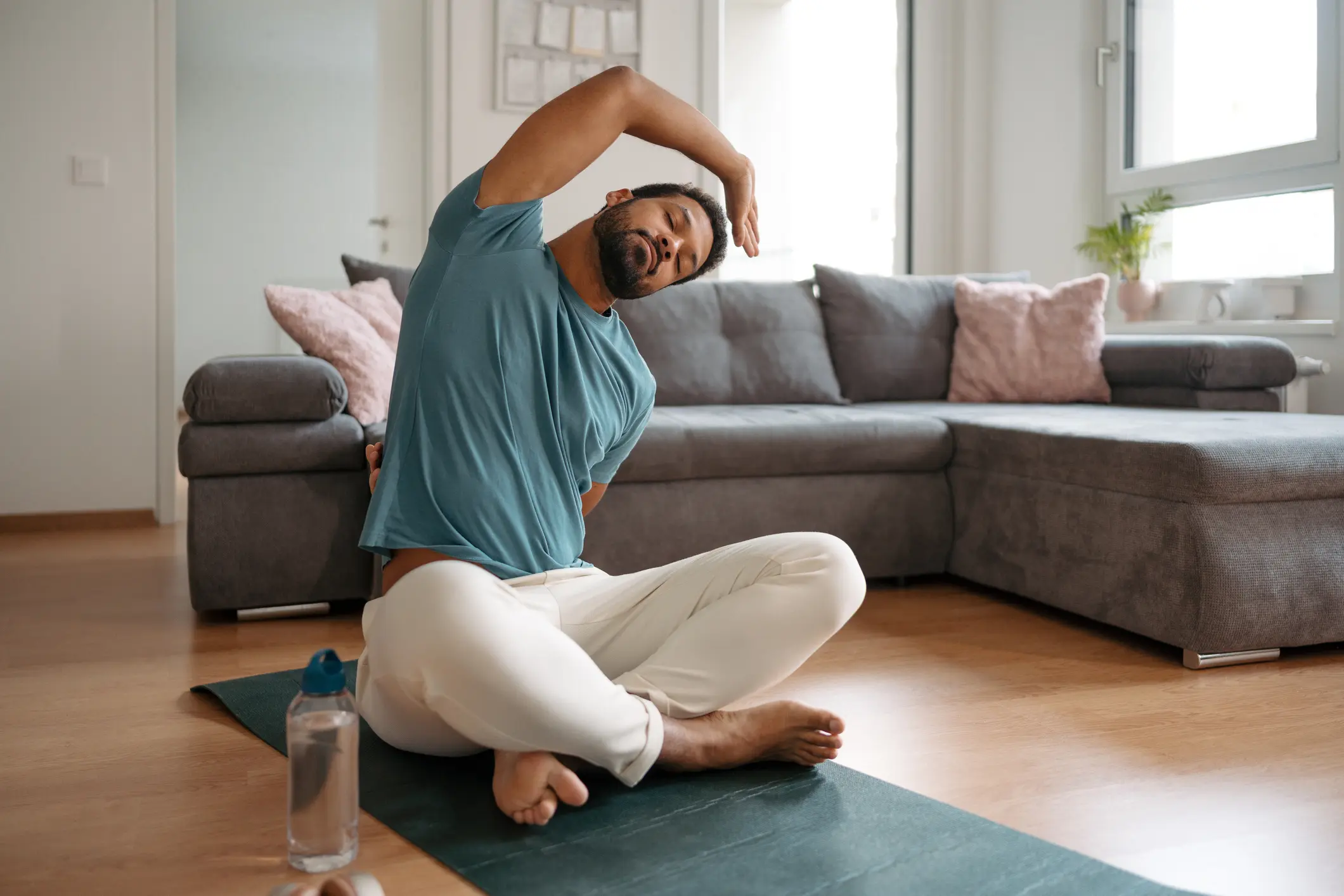
- Start with a Beginner Class: Look for beginner-friendly yoga classes at local studios or online platforms. These classes often provide modifications and guidance for those new to the practice.
- Focus on Breathing: Pay attention to your breath during yoga practice. Slow, deep breaths can help reduce anxiety and promote relaxation.
- Create a Consistent Practice: Consistency is key when it comes to yoga. Aim to practice a few times a week to experience the full benefits.
- Use Online Resources: There are plenty of online resources, such as yoga apps and YouTube channels, that offer guided classes for all levels. These can be especially helpful if you prefer practicing at home.
- Listen to Your Body: Yoga is a personal practice, and it’s important to listen to your body. Avoid pushing yourself into uncomfortable positions and modify poses as needed.
Yoga Poses That Help With Anxiety
While any yoga practice can be beneficial, certain poses are particularly effective for reducing anxiety. Here are a few poses to consider incorporating into your routine:
- Child’s Pose (Balasana): A resting pose that provides a sense of safety and relaxation.
- Legs-Up-the-Wall Pose (Viparita Karani): Promotes relaxation and reduces tension by reversing blood flow.
- Cat-Cow Stretch (Marjaryasana-Bitilasana): A gentle flow that eases tension in the spine and promotes relaxation.
- Corpse Pose (Savasana): A final resting pose that allows the body and mind to fully relax.
Integrating Yoga With Traditional Treatments
While yoga can be a powerful tool for managing anxiety, it is most effective when combined with other treatment modalities. For those receiving care from an anxiety treatment center, yoga can be integrated into the treatment plan to complement therapies such as cognitive behavioral therapy (CBT) and medication management.
Remember, if you’re struggling with anxiety, seeking guidance from a mental health professional or an anxiety treatment center is always a wise decision. They can provide personalized recommendations and support to help you navigate your journey to wellness.
West Oaks Hospital offers help for anxiety for adults, adolescents and children through inpatient and outpatient programs.
Learn more by giving us a call at 713-778-5250.