
Benefits of Outpatient Therapy for Children
As a parent, watching your child struggle with big emotions, behavioral shifts or sudden life changes can feel overwhelming. You want to provide them with the best support possible, but sometimes, love and parental guidance need to be supplemented with professional expertise. This is where outpatient therapy for children becomes a potentially necessary step in supporting your child’s emotional well-being.
Navigating the world of pediatric mental health can seem daunting at first. However, therapy for kids can help give your child the tools they need to thrive. Whether you are dealing with a sudden behavioral change or seeking long-term developmental support, outpatient services can help improve your child’s life.
What Is Outpatient Therapy?
Before looking into the advantages, it is important to clarify exactly what outpatient therapy is. Simply put, outpatient therapy involves scheduled appointments at a clinic, office or telehealth platform, rather than an overnight or extended stay at an inpatient facility.
When comparing inpatient vs. outpatient pediatric care, the distinction is clear. Inpatient care is an intensive, around-the-clock intervention typically reserved for acute crises. In contrast, an outpatient program for children allows kids to attend a few sessions per week while living at home and continuing their normal lives.
Outpatient mental health services are designed to address a wide spectrum of needs, from mild behavioral issues and ADHD to depression and trauma. By utilizing a structured yet flexible environment, these services empower kids to work through their challenges at a manageable pace.
Potential Benefits of Outpatient Therapy for Children
Choosing an outpatient mental health program for your child can have a multitude of advantages that positively impact both the child and the entire family unit.
Minimal disruption to daily life
One of the most significant advantages of this level of care is maintaining daily school routines during therapy. Outpatient visits can be scheduled after school or on weekends, helping to ensure your child doesn’t miss out on academic and social milestones. This consistency can help them feel secure and prevents the stigma or isolation that can sometimes accompany intensive mental health interventions.
Targeted skill development
Outpatient mental health therapy can teach practical skills that children can use immediately. Depending on your child’s age and specific needs, therapy can assist in:
- Social development: Improving social skills in kids by role-playing peer interactions, teaching empathy and practicing conflict resolution
- Emotional control: Teaching emotional regulation strategies for toddlers and older kids alike, helping them identify feelings before they escalate into tantrums or meltdowns
- Anxiety management: Guiding parents and kids on managing childhood anxiety at home through deep breathing, grounding exercises and positive self-talk
- Resilience: Building lifelong coping mechanisms for young children so they can navigate future stressors with confidence
Family-centered treatment approach
Because parents are the most important people in a child’s life, pediatric outpatient mental health services emphasize a family-centered treatment approach. You won’t be left in the dark; therapists regularly collaborate with caregivers, offering guidance on how to reinforce the lessons learned in the clinic within your home environment.
What to Expect in Pediatric Counseling
If you have never taken a child to a therapist before, you might be wondering what actually happens during a session. Understanding what to expect in pediatric counseling can help ease your own anxieties, which in turn comforts your child.
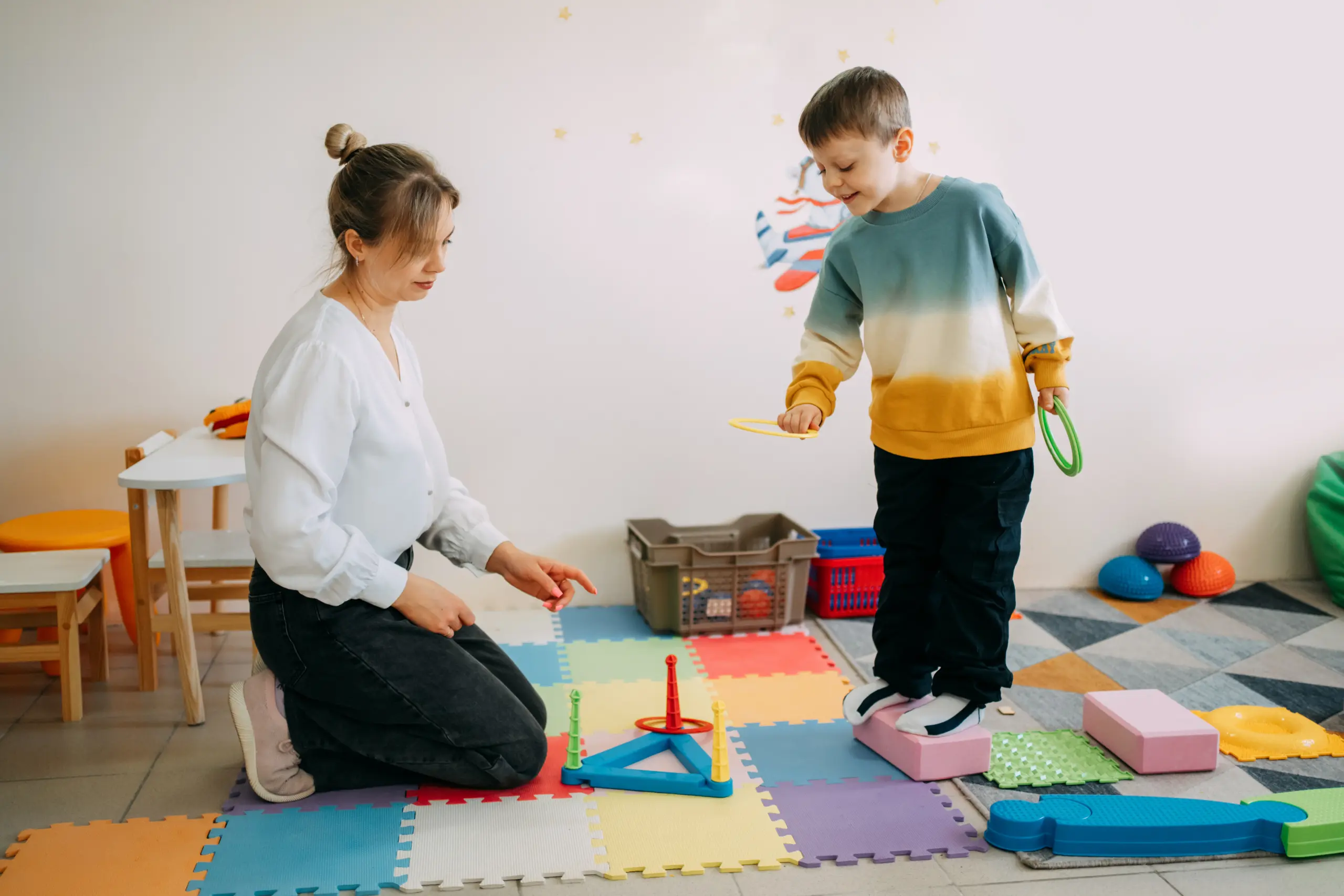
Counselors rely on evidence-based pediatric interventions tailored to the child’s developmental stage. For younger children, sitting on a couch and talking about their feelings isn’t realistic. Instead, therapists utilize therapeutic play interventions. Because play is the natural language of children, therapists use toys, art, games and sand trays to help kids express complex emotions they do not yet have the vocabulary to explain.
For older children and teens, therapists might use cognitive behavioral therapy to help them identify negative thought patterns. Regardless of the method, the focus is always on creating a non-judgmental space.
Engaging in these tailored interventions can help children develop higher self-esteem, better academic performance and healthier relationships throughout life.
Steps to Starting Child Therapy
Deciding to seek help is a massive first step. If you are ready to move forward, here are the actionable steps to starting child therapy smoothly:
1. Identify your needs and research
Start by noting specific behaviors or emotional changes you’ve observed. This will help you articulate your concerns to potential providers. When considering how to choose a child therapist, look for licensed professionals (such as an LCSW, LPC or child psychologist) who specialize in your child’s specific age group and presenting issue. A strong therapeutic alliance (how comfortable your child feels with the therapist) can be a strong predictor of success.
2. Navigate the logistics
Mental healthcare should be accessible, so it is important to understand your financial options. Call your health insurance provider to clarify your insurance coverage for child counseling. Ask specific questions, such as:
- Do we have a deductible to meet before coverage kicks in?
- Is there a limit on the number of sessions covered per year?
- Are out-of-network pediatric therapists covered?
3. Schedule a consultation
Most child therapists offer a brief consultation by phone or in person. Use this time to ask about their experience, their approach to family involvement and how they handle resistance if a child is hesitant to participate.
4. Prepare your child
Talk to your child about therapy in a positive, age-appropriate way. Avoid making it sound like a punishment. Instead, frame the therapist as a feelings helper or a worry coach whose job is to play games, talk and help them feel their best.
Find Help in Houston, Texas
Parenting is a beautifully complex journey and there is immense strength in asking for help when the road gets rocky. The benefits of outpatient therapy for children can extend far beyond the immediate resolution of a behavioral issue or a tough phase.
By equipping your child with emotional intelligence, resilience and healthy coping mechanisms today, you are setting the foundation for a happier, healthier tomorrow. If you believe your child could benefit from a little extra support, don’t hesitate to reach out to a pediatric mental health professional in your community.
West Oaks Hospital in Houston, Texas, offers outpatient services for children. Call 713-936-6487 to schedule an assessment.